
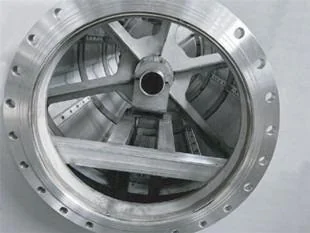
Presentation
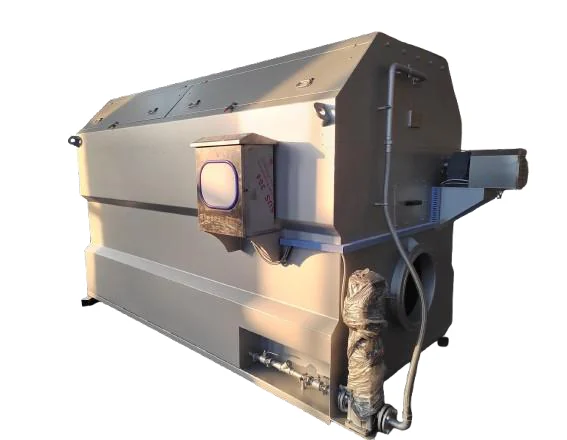
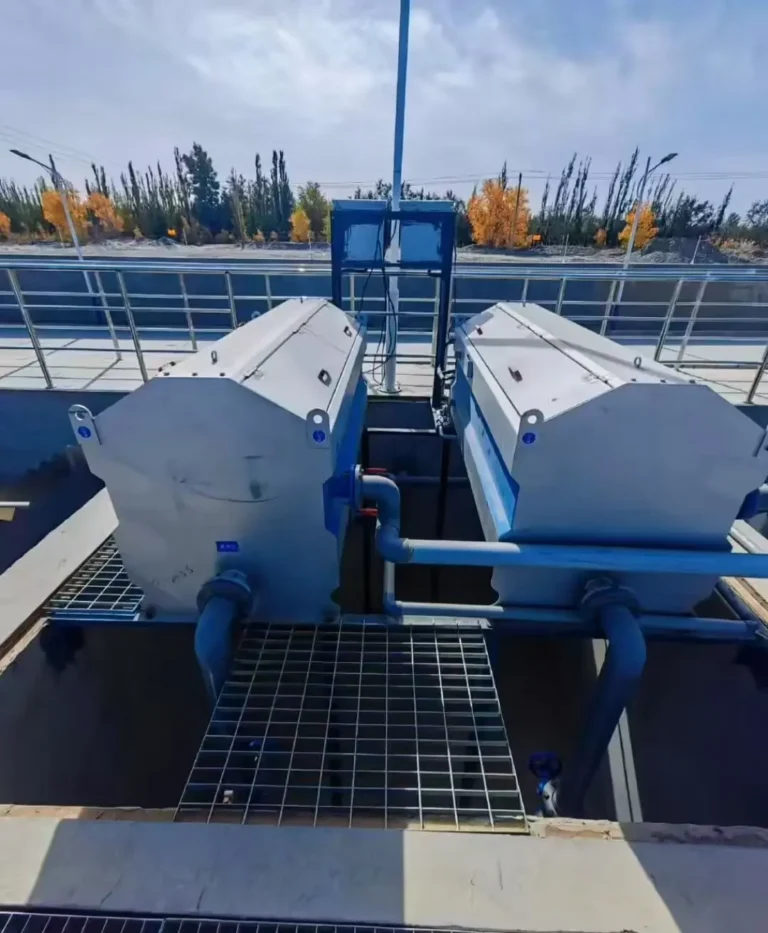
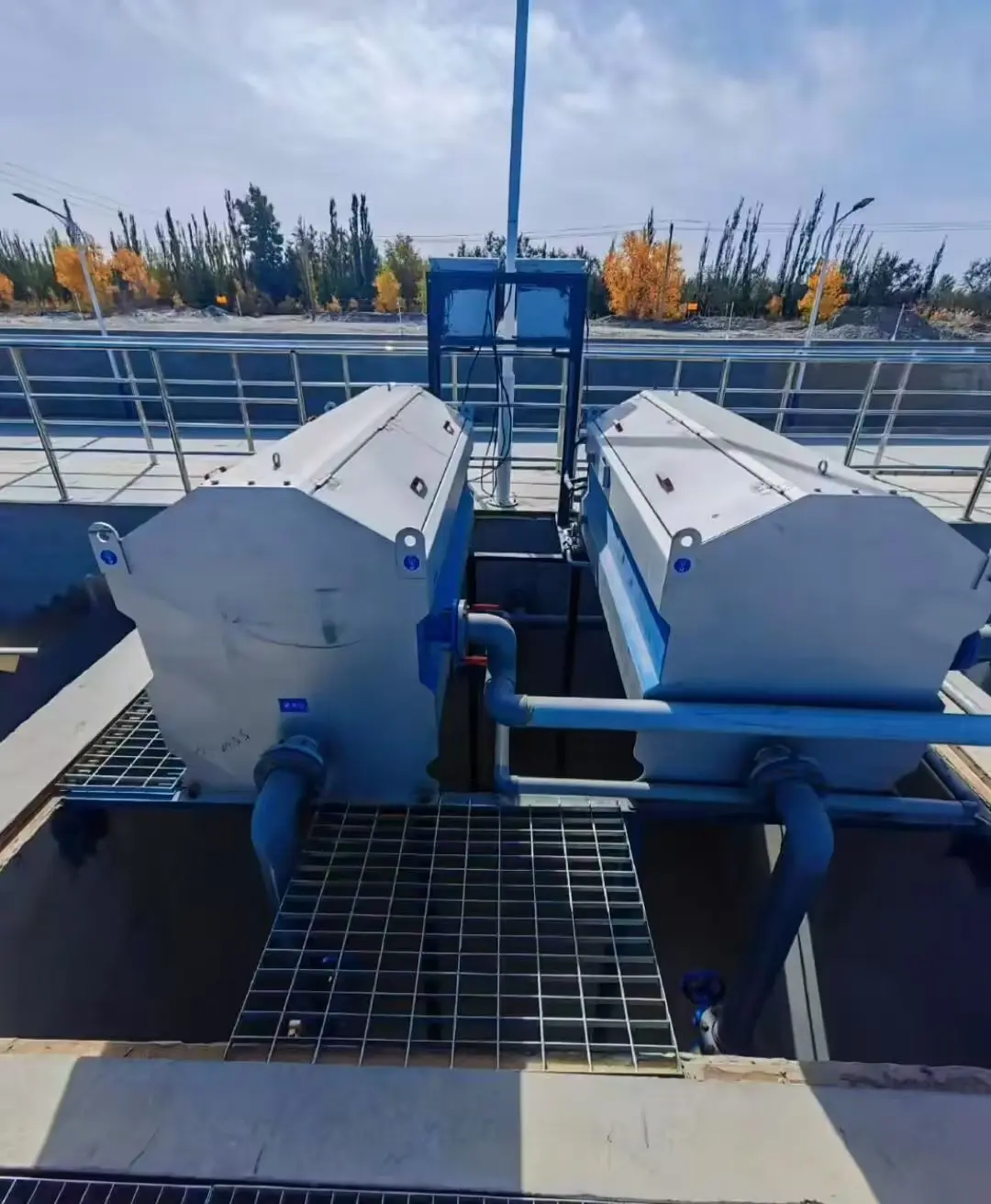
The BIOTRADE drum filter is a tertiary treatment unit designed to remove suspended impurities and solid particles from wastewater.
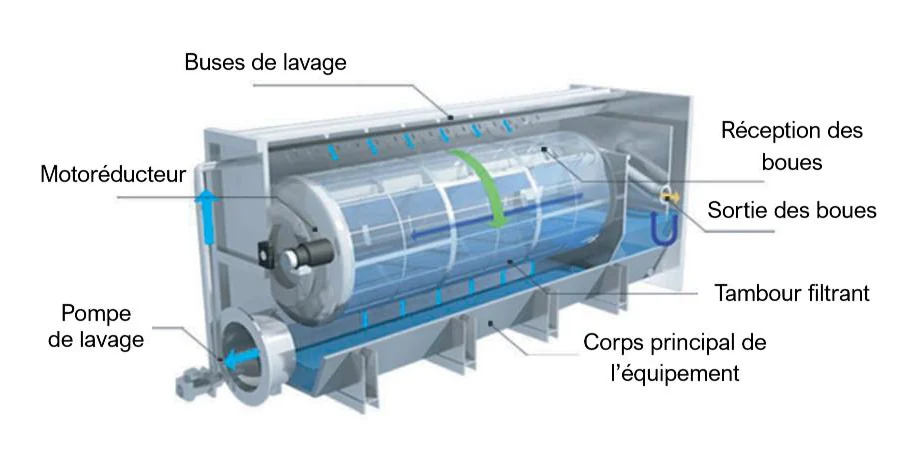
It consists of a primary filter medium, a drive system, a backwash system, and an automatic control system.
Operating via gravity or pressure differential, it ensures efficient solid-liquid separation as water passes through the filter drum.
Thanks to its mechanical strength, chemical stability, and automated operation, the drum filter is suitable for municipal, industrial, hospital, tourism, and aquaculture facilities.
Functioning
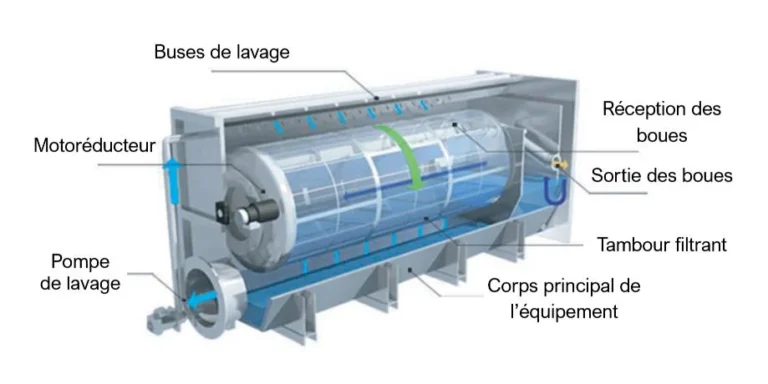
- Water enters the hollow drum through the inlet opening.
- Driven by gravity, the water passes through the filter screen from the inside out.
- The drum rotates slowly, retaining solid matter on the inner surface of the screen.
- The wash pump draws a portion of the filtered water for backwashing.
- Nozzles spray pressurized water onto the top of the drum.
- The filter screen is rinsed from the outside in.
- The dislodged particles are collected in the tank and then discharged through the drain outlet.
Composition
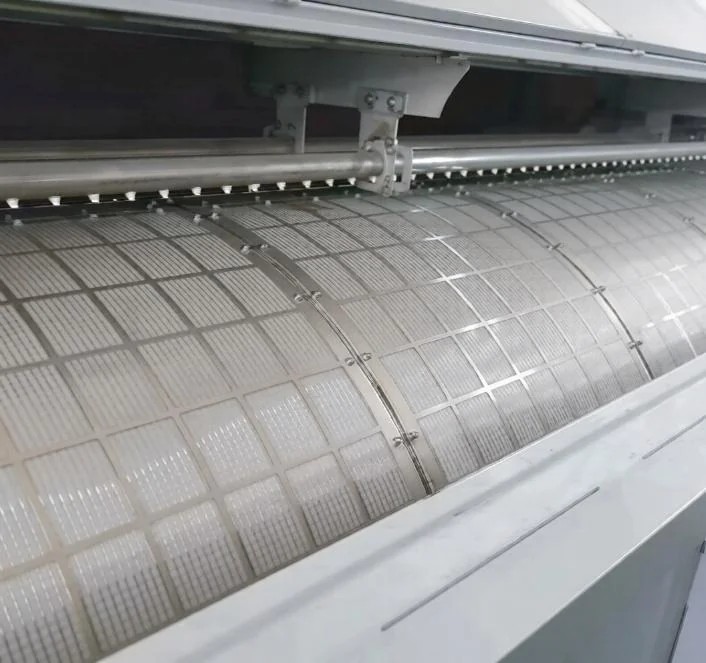
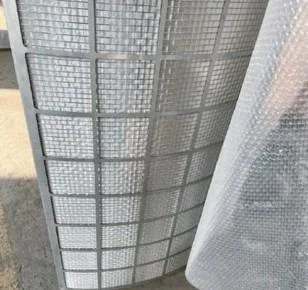
- Main filter medium.
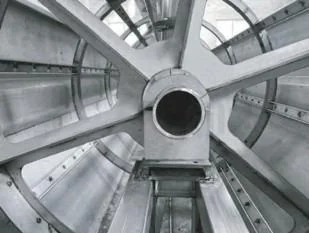
- Rotating filter drum.
- Geared motor drive system.
- Wash pump.
- Backwash nozzles.
- Main equipment body.
- Automatic control system.
Technical Specifications
- Filter media service life of up to 2 years.
- Simplified filter media replacement thanks to independently removable panels.
- Capable of operating with suspended solids (SS) concentrations of up to 100 mg/L.
- Continuous operation: independent filtration and backwashing.
- Pressure loss of less than 300 mm water column.
- Effluent water quality with suspended solids (SS) below 10 mg/L.
- Fully automatic control; no manual intervention required.
- Compact footprint compared to other filtration equipment.
- Low backwash water consumption: approximately 0.3% of the treated water volume.
Applications
- Urban wastewater treatment plants.
- Schools, hospitals, and military facilities.
- Industrial sites, factories, and mines.
- Tourist sites.
- Slaughterhouses and aquaculture farms for wastewater filtration and reuse.