Presentation
BIOTRADE offers performance studies focused on industrial and municipal sludge treatment to identify the dewatering or thickening solution best suited to your needs.
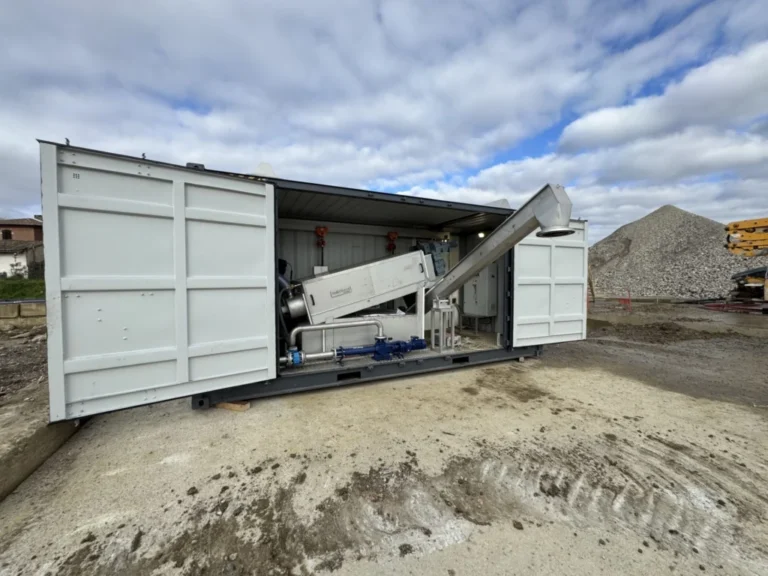
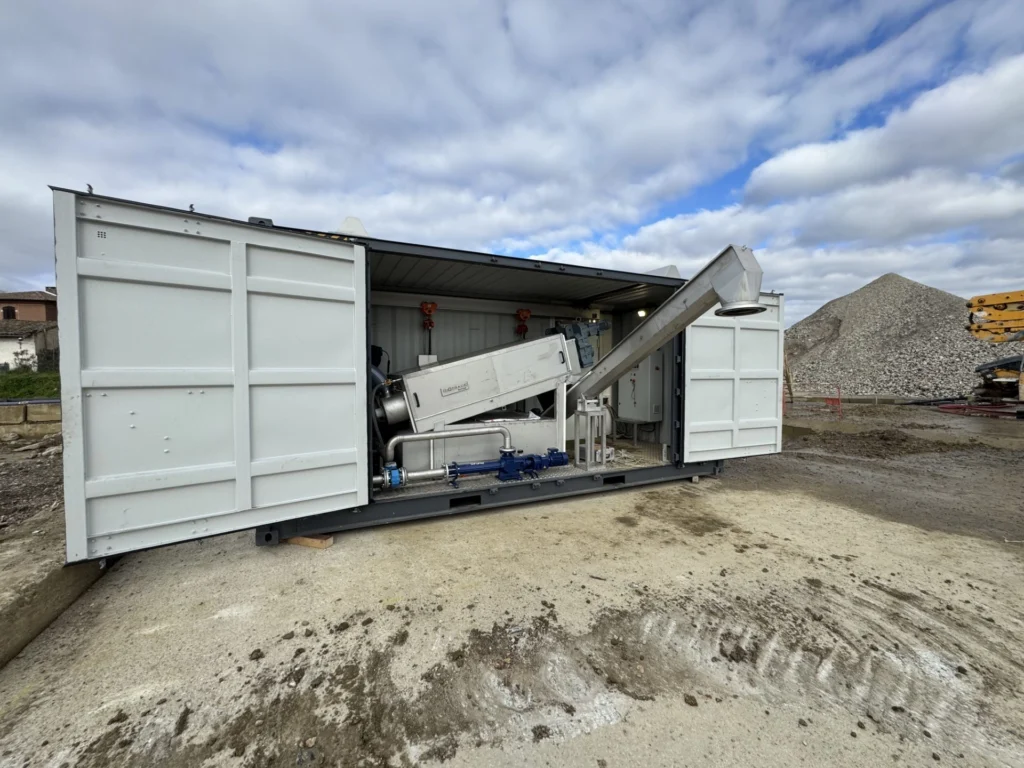
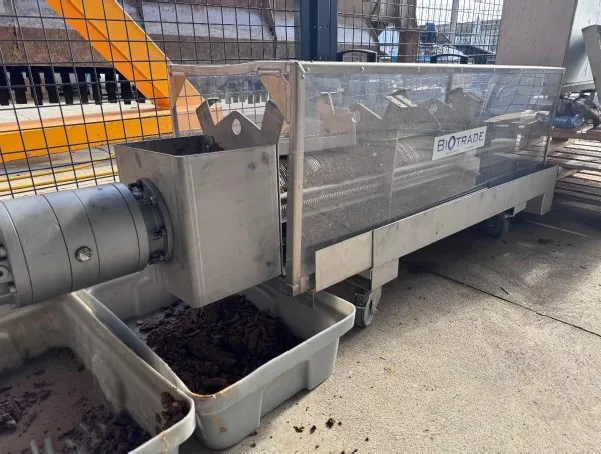
These services make it possible to evaluate the performance achievable with equipment such as BioPress screw presses, thickening drums, or mobile sludge treatment units.
The goal is to define optimal treatment conditions, select the most suitable polymer, and validate expected performance before implementing an industrial-scale solution.
In practical terms, this study provides a reliable projection of the achievable dry solids content, the required polymer dosage, and the actual behavior of the sludge to be treated.
Two study options to choose from
Laboratory study
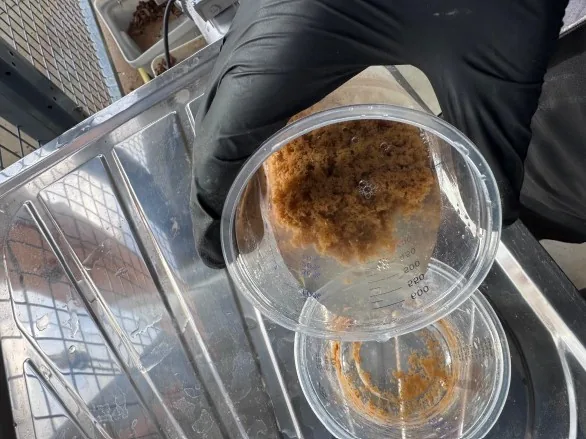
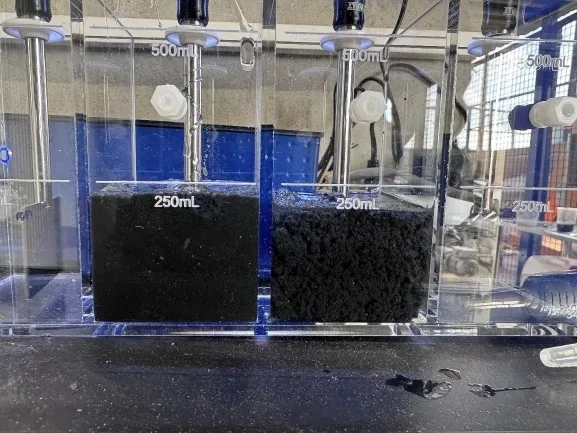
The laboratory study is conducted using sludge samples provided to BIOTRADE. Several tests are carried out to analyze the sludge’s behavior and determine the optimal treatment parameters.
- Flocculation tests: comparison of different polymers to identify the highest-performing product.
- Dry solids content measurement: estimation of the concentration achievable after treatment.
- Sludge behavior analysis: observation of flocculation quality, liquid/solid separation, and result stability.
- Final report: summary of tests, dosages applied, polymer products tested, and estimated performance.
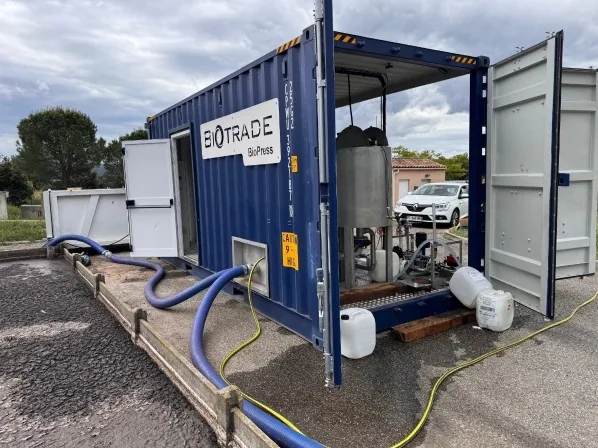
On-site study using a mobile unit
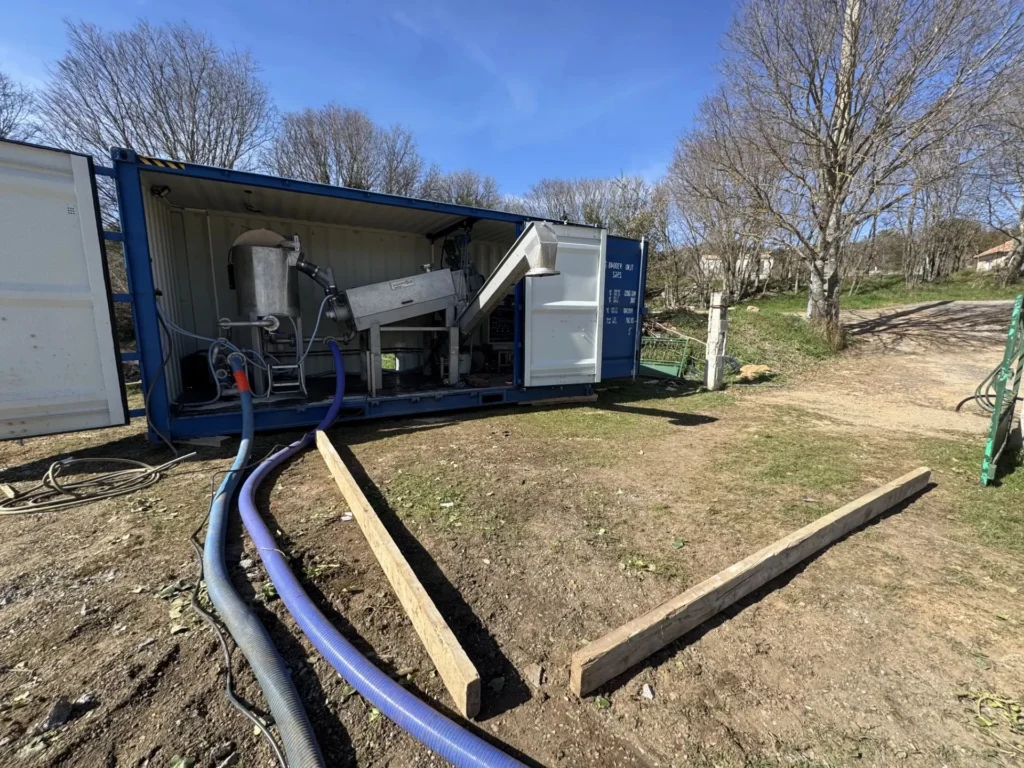
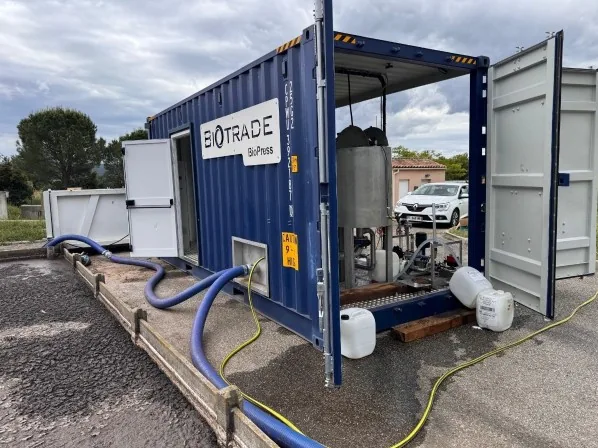
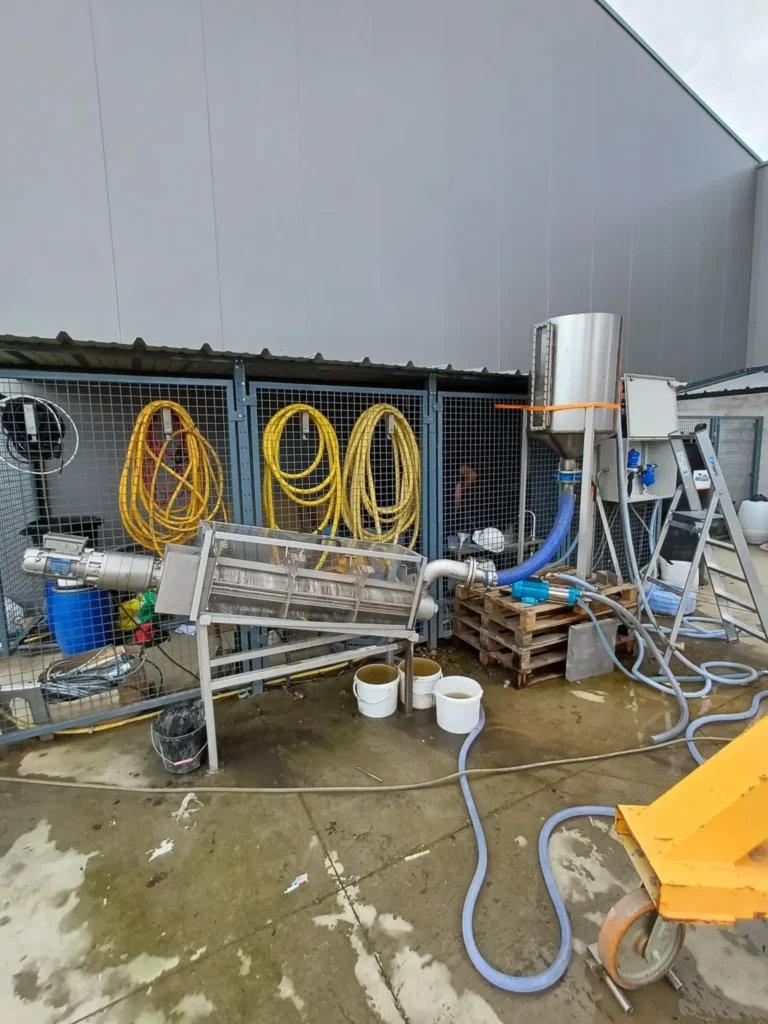
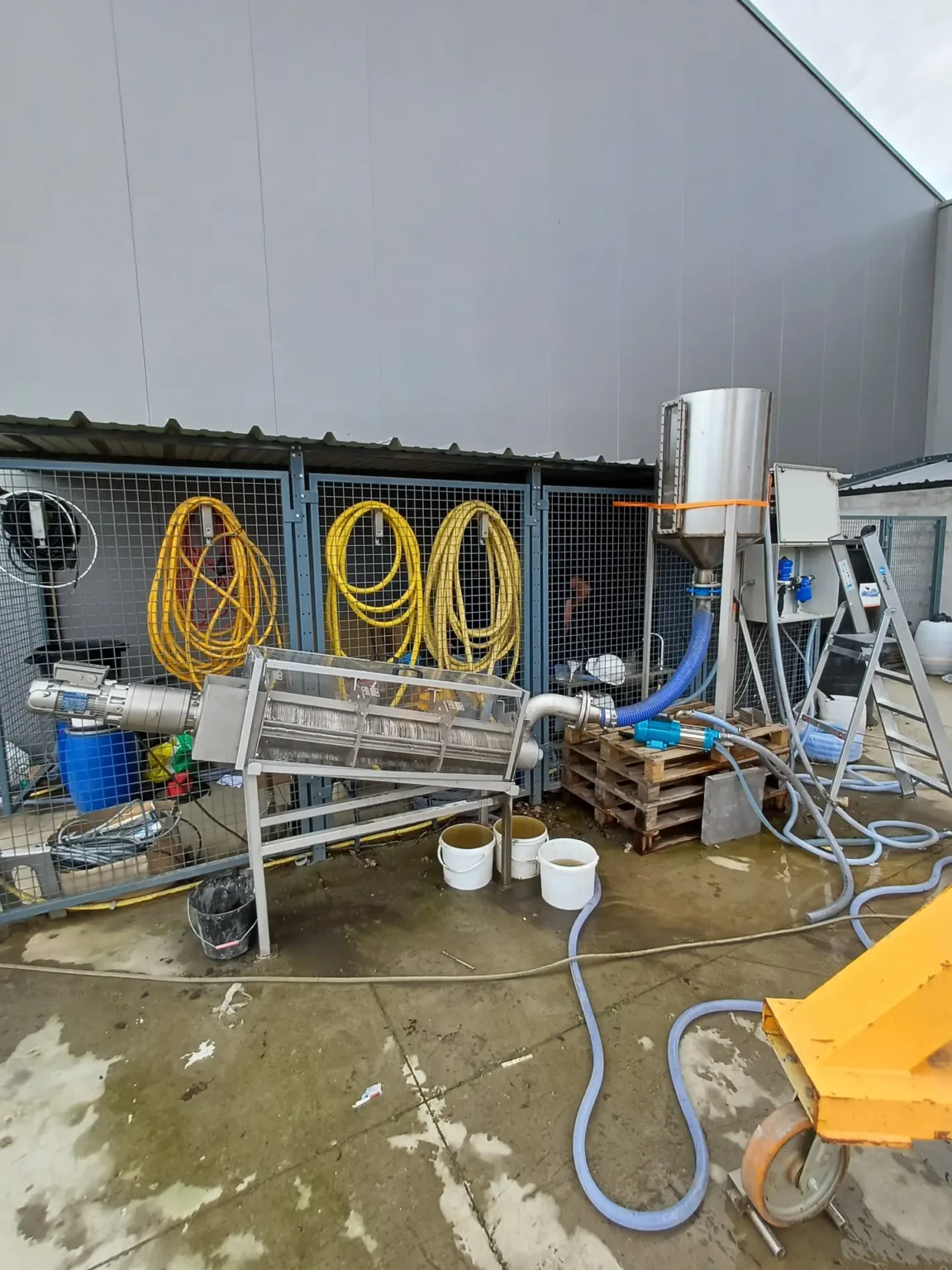
To validate performance under real-world conditions, BIOTRADE can operate directly on-site using a mobile sludge treatment unit.
This solution makes it possible to test the technology within the actual operating environment, using the site’s own sludge and accounting for existing operational constraints and expected performance targets.
- Mobile unit installation: on-site connection, start-up, and equipment configuration.
- Operational settings: adjustment of flow rate, polymer dosage, and treatment parameters.
- Testing with various polymers: performance comparison based on the specific products tested.
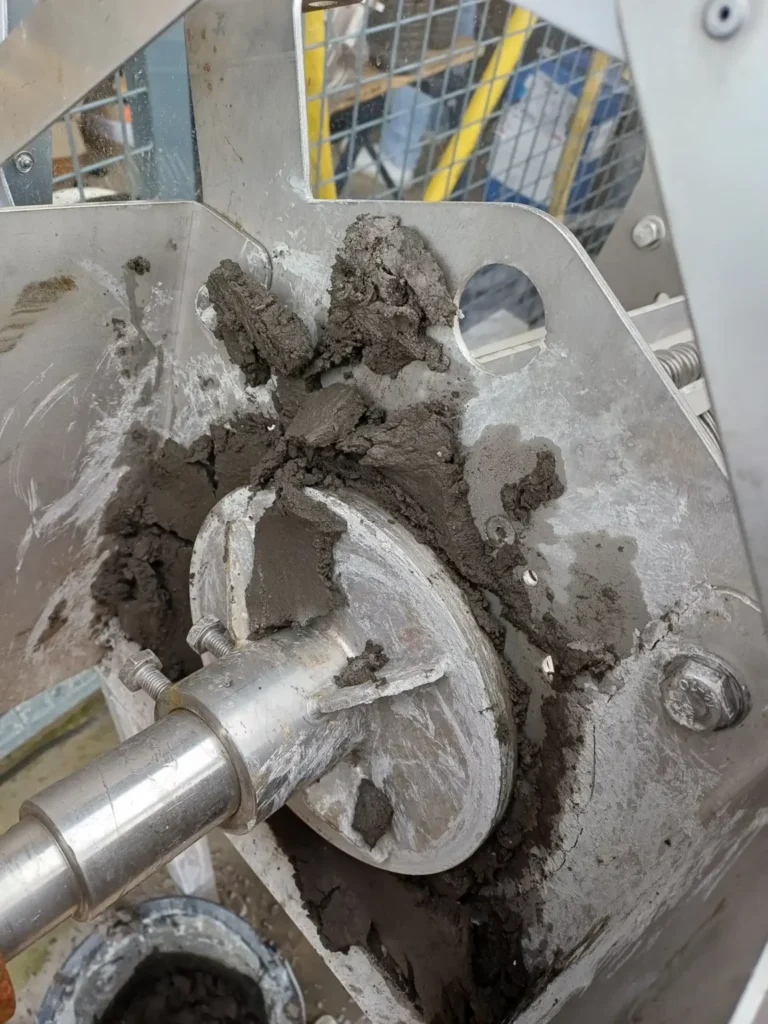
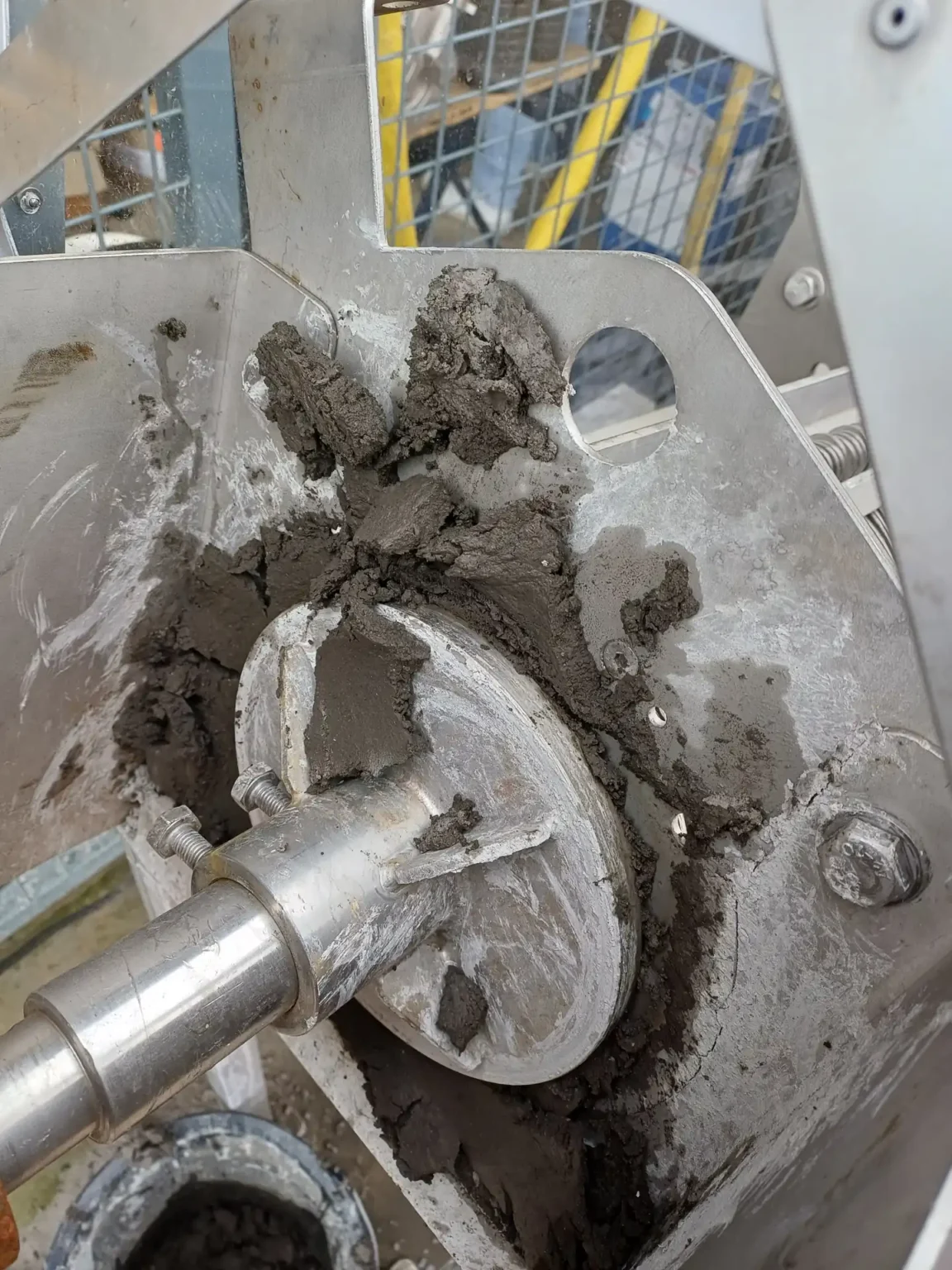
- Performance measurements: monitoring of dryness, sludge behavior, and treatment quality.
- Presentation to teams: demonstration of equipment operation under real-world conditions.
Why conduct a performance study before purchasing?
- Secure the investment: validate achievable performance levels before purchasing equipment.
- Size precisely: select a solution suited to the sludge, flow rate, and site objectives.
- Optimize operating costs: adjust polymer dosage, improve dryness, and reduce sludge disposal volumes.
- Compare solutions: evaluate different treatment conditions before selecting the best configuration.
- Involve teams: provide operators with a practical demonstration of how the solution works.
Study deliverables
- Analysis of laboratory or on-site tests.
- Polymer grades tested.
- Dosages applied during the tests.
- Estimation or measurement of achievable dryness.
- Observations on sludge behavior.
- Technical recommendations for selecting the treatment solution.